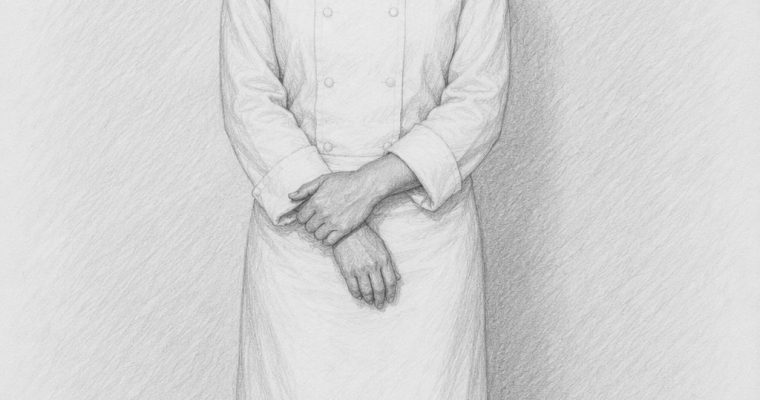
copywrite 2017 by me

Daughter of two professional chefs provides a young adult's perspective on food, restaurants, and eating!! follow us on facebook @Francis Xavier

Author: Chef Francis Xavier

Notes from the Garden: Chef G Writes About the Carbohydrate Paradox

Notes from the Garden: Chef G Writes About the Carbohydrate Paradox

Recently carbohydrates are portrayed as the villain of the dinner plate. Low-carb diets, keto plans, and weight-loss programs frequently encourage people to avoid breads, pasta, rice, and other carbohydrate-rich foods. Yet carbohydrates remain one of the three major macronutrients, alongside proteins, minerals, vitamins and fats, […]

Notes from the Garden. Carbs

Notes from the Garden. Carbs

Chef G Writes About Carbs Carbohydrates are one of the most important nutrients in our diet because they provide the body with energy for daily living. From walking and working to gardening and exercising, carbohydrates help fuel our activities. Carbohydrates are produced in green plants […]

Notes from the Garden

Notes from the Garden

Chef G Writes About Nutrition

When we think about food, we often focus on flavor, comfort, and tradition. Yet food serves a much greater purpose. It is the fuel that keeps our bodies functioning every day.

Nutrition is the study of the processes of growth, maintenance, and repair in the body that depend upon the intake of food. It also includes the study of food itself and how it supports health and well-being.

Food is any liquid or solid substance that, after digestion, supplies the body with materials needed for one or more of the following:

  1. Energy, warmth, and muscular movement
  2. Growth, maintenance, and repair of body tissues
  3. Protection against illness and infection

The substances in food that provide these benefits are called nutrients. Nutrients are essential to life and are responsible for helping the body perform its many functions.

The Five Main Nutrient Groups

Carbohydrates

Function: Energy and warmth

Carbohydrates are the body’s preferred source of energy. They provide the fuel needed for daily activities, exercise, and normal body functions. Good sources include whole grains, fruits, vegetables, and legumes.

Fats

Function: Energy and warmth

Fats are a concentrated source of energy and help insulate the body to maintain temperature. Healthy fats also support brain function and aid in the absorption of certain vitamins. Sources include nuts, seeds, avocados, olive oil, and fatty fish.

Proteins

Function: Energy, warmth, growth, and repair

Proteins are often called the building blocks of the body. They help form and repair muscles, organs, skin, and other tissues. Good protein sources include lean meats, poultry, fish, eggs, dairy products, beans, and legumes.

Minerals

Function: Growth, repair, and protection through regulation of body processes

Minerals play important roles in maintaining healthy bones, teeth, nerves, muscles, and body fluids. Calcium, iron, potassium, and zinc are just a few examples of essential minerals.

Vitamins

Function: Protection through regulation of body processes

Vitamins help regulate many of the body’s systems. They support immunity, vision, bone health, wound healing, and countless other functions that keep us healthy and active.

A Thought from Chef G

A healthy diet is not about perfection. It is about providing the body with the nutrients it needs to do its job every day. Every meal is an opportunity to nourish yourself, support your health, and invest in your future well-being.

As gardeners know, plants thrive when they receive the right balance of nutrients. The same is true for us. Give your body the proper fuel, and it will reward you with strength, energy, and resilience.

Remember that good nutrition starts with good choices, one meal at a time.

Notes from the Garden, Chef G: Safety – Inside the Test Kitchen

Notes from the Garden, Chef G: Safety – Inside the Test Kitchen

Notes from the Garden by Chef G Most people think of safety as something reserved for construction sites, factories, or laboratories. Yet whether we are working in a laboratory, a kitchen, or our own backyard workshop, the principles remain the same. Safety is largely a […]

Notes from the Garden, Chef G: Inside the Test Kitchen

Notes from the Garden, Chef G: Inside the Test Kitchen

“Every great recipe has a history of small failures behind it. The test kitchen teaches us that mistakes are not setbacks. They are simply the next step toward getting it right.” Chef G based her foundation and attended the Thatnet Culinary Laboratory before online test […]

Safety and Mindfulness in the Kitchen

Safety and Mindfulness in the Kitchen

Notes from the Garden with Chef G

One of the greatest ingredients in any kitchen is not found in a recipe book or on a grocery shelf. It is mindfulness. Taking a moment to think before acting can prevent accidents, protect those around you, and make cooking a more enjoyable experience.

Whether you’re preparing a simple breakfast or a holiday feast, staying present and aware is one of the most important kitchen skills you can develop.

1. Think Before You Act

A few seconds of planning can save hours of dealing with an injury or cleanup. Before reaching for a knife, moving a hot pan, or operating equipment, pause and consider what you’re about to do. Safe habits start with thoughtful actions.

2. Do Not Ignore Instructions

Recipes, appliance manuals, warning labels, and safety procedures exist for a reason. Taking shortcuts or assuming you know better can lead to burns, cuts, fires, or damaged equipment. When in doubt, read and follow the directions.

3. Concentrate on What You Are Doing

Distractions are common in today’s world. Phones, television, and conversations can take your attention away from a task at the worst possible moment. Focus on the job at hand, especially when using knives, hot surfaces, or powered equipment.

4. Do Not Take Chances

If something feels unsafe, stop and reassess the situation. Use a step stool instead of standing on a chair. Turn off equipment before cleaning it. Ask for help when needed. Good judgment prevents unnecessary injuries.

5. Walk, Don’t Run

Kitchens can become slippery and crowded. Running increases the risk of falls, collisions, and spills of hot food or liquids. Move deliberately and carefully at all times.

Keep your hands dry and stay clear of moving machinery. Wet hands can lead to slips, loss of grip, and electrical hazards. Respect equipment while it is operating and never reach into moving parts.

6. Use Dry Cloths When Handling Hot Pans

Moisture transfers heat rapidly. A damp towel or potholder can cause a steam burn in an instant. Always use dry oven mitts, dry towels, or proper heat-resistant gloves when handling hot cookware.

7. Lift Properly and Know Your Limits

Many kitchen injuries occur from improper lifting.

Remember these simple steps:

  • Keep your back straight.
  • Bend at the knees.
  • Hold the load close to your body.
  • Lift by straightening your legs.

If an item weighs more than 50 pounds, do not hesitate to ask for help. Teamwork is far better than dealing with a strained back.

8. Know Your Fire Equipment and Fire Procedures

Every cook should know where fire extinguishers are located and how to use them. Equally important is understanding the fire evacuation plan for your home or workplace.

In an emergency, panic is the enemy. Preparation and practice allow you to respond calmly and safely.

Chef G’s Final Thought

A safe kitchen is not just about equipment, rules, or procedures. It is about mindset. When we remain aware, focused, and respectful of the tools and tasks before us, we create an environment where great food and good memories can flourish.

As gardeners know, the healthiest harvest comes from careful attention. The same is true in the kitchen. Slow down, stay mindful, and let safety guide every recipe.

“Good cooks follow recipes. Great cooks follow safety.”
— Chef G

Safety Is Always First: Kitchen Equipment and Work Area Safety

Safety Is Always First: Kitchen Equipment and Work Area Safety

A safe kitchen is an efficient kitchen. Taking a few extra moments to work safely can prevent injuries, protect food quality, and keep everyone productive. Check all gas equipment before use. Be sure the pilot light is lit and the main gas supply is functioning […]

Equipment Safety: Respect the Tools of the Trade

Equipment Safety: Respect the Tools of the Trade

This is a continuation of “Safety Is Always First” series from Chef G. Every kitchen is filled with equipment designed to make food preparation easier and more efficient. However, these same tools can become hazards if they are not used properly. Chef G reminds us […]

Safety is always First

Safety is always First

From the Garden with Chef G

Safety may not be the most glamorous topic in the kitchen, but every great meal begins with a safe and well-organized workspace. As Chef G reminds us, good cooking habits start long before the first ingredient is prepared. A clean, well-maintained kitchen protects everyone and allows creativity to flourish without unnecessary risks.

Safety Is Always First

Chef G’s kitchen safety reminders include:

  • Ensure proper lighting throughout the kitchen so hazards can be seen clearly.
  • Maintain adequate heating and cooling for a comfortable working environment.
  • Keep all walkways and gangways free from obstructions.
  • Provide non-slip flooring and avoid loose rugs that can create trip hazards.
  • Keep appropriate cleaning materials readily available.
  • Clean up spills immediately to prevent slips and falls.
  • Address repairs promptly before small issues become larger safety concerns.
  • Turn off main services and equipment when not in use.
  • Make sure fire safety equipment is accessible and within reach.
  • Keep fire exits clear and free from obstruction at all times.
  • Always use the correct fire extinguisher for the type of fire involved.

A safe kitchen is the foundation of every successful culinary experience. Whether preparing a simple family meal or hosting a gathering of friends, attention to basic safety practices helps prevent accidents and keeps the focus on the joy of cooking.

You Can’t go Home Again … or Can  You?

You Can’t go Home Again … or Can You?

There’s an old saying that you can’t go home again. Maybe that’s true. The places change, the people change, and even our memories tend to soften the edges of reality over time. Yet whenever I find myself back in familiar territory, I catch myself searching […]